Karim Zand · Historian · Geographer · Explorer
Books by Karim Zand
Explore 15 works by Karim Zand, each featured in its own tab. Select a title to learn more and read the full work.

BOOKS:
Year 2001
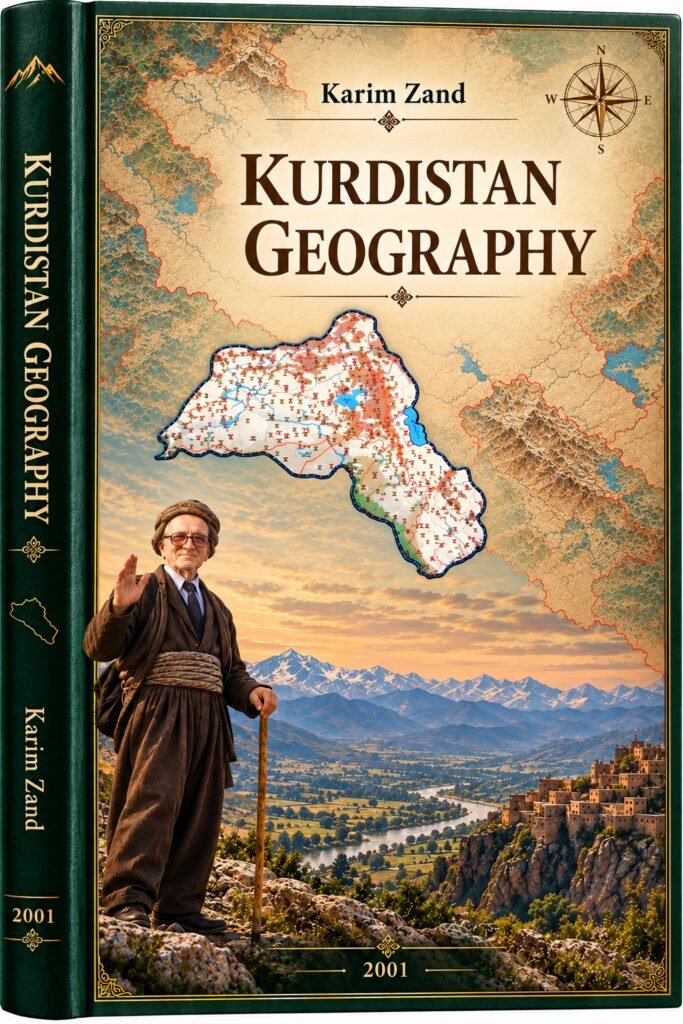
Kurdistan Geography
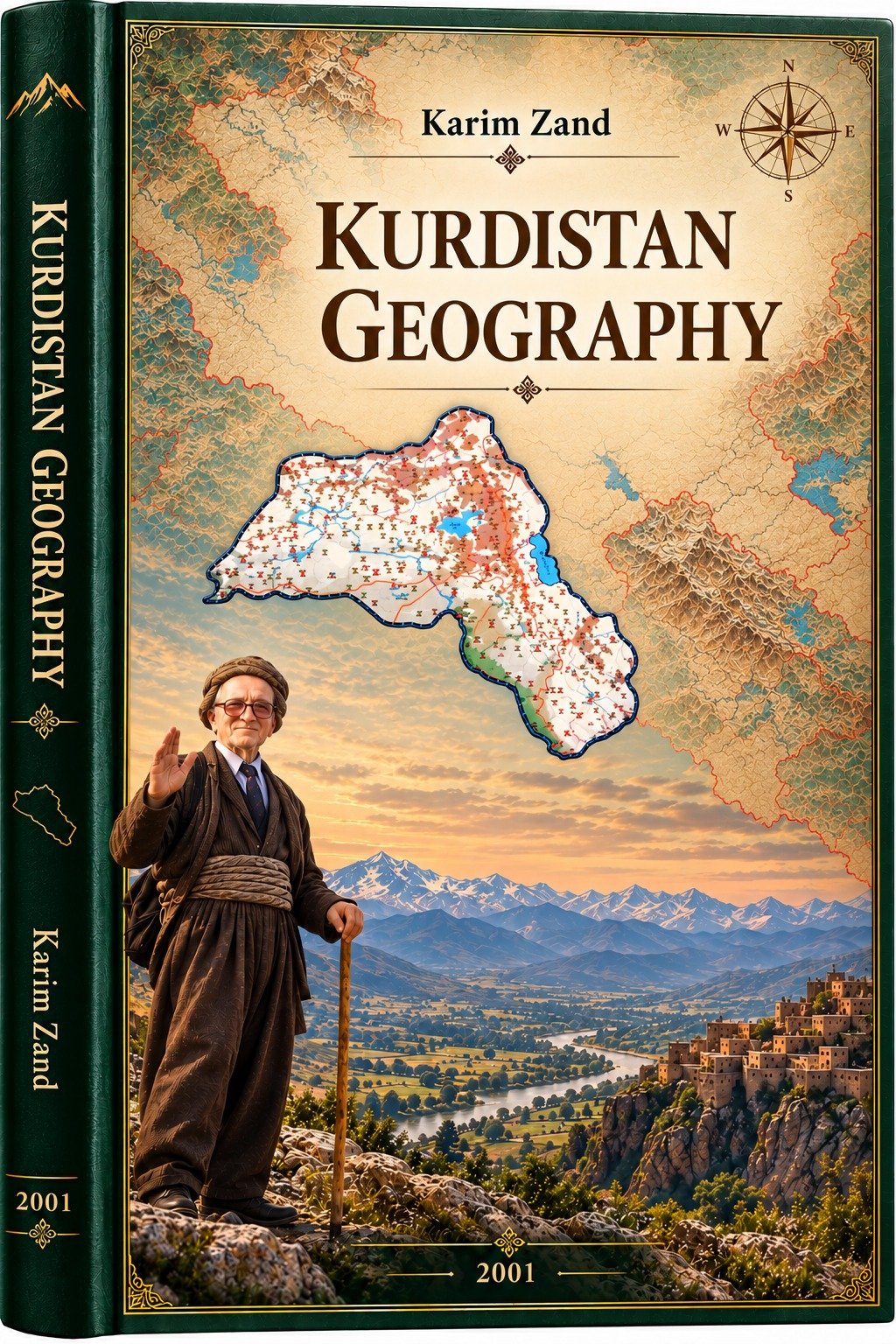
Karim Zand is recognized as the first scholar to systematically author Kurdistan Geography, a pioneering work grounded in thirteen years of continuous travel on foot across nearly the entirety of Kurdistan. Between 1945 and 1958, Zand undertook this formidable journey carrying only a backpack, enduring hunger, poverty, displacement, and exile in steadfast dedication to documenting his homeland.
Zand conceptualized geography as an interdisciplinary science structured around three essential dimensions: place, time, and human agency. Within this framework, he identified four foundational areas of inquiry:
- Transformations of the Earth and living systems
- The geographical dynamics of historical epochs
- The emergence and development of humankind
- The reciprocal relationship between humans and their environment
For Zand, history without geography remained incomplete; geography served as its analytical and spatial complement. His effort to write Kurdistan Geography was not merely academic but deeply intellectual and national in purpose. He regarded the fragmentation of Kurdistan as a fundamental problem requiring scholarly documentation, cartographic precision, and cultural preservation.
Over twenty-one years abroad, including thirteen years of continuous field exploration. Zand traveled from South Armenia throughout the broader Kurdish regions. He meticulously produced individual maps of cities, villages, mountains, lakes, water sources, economic assets, footpaths, and transportation routes. These detailed surveys culminated in what he envisioned as a comprehensive and authoritative map of Kurdistan.
The geographical scope of his work extended from South Armenia to the Gulf, and from the Zagros Mountains to the Mediterranean Sea, an expansive historical and political representation of Kurdistan. Beyond cartography, this vision symbolized unity: a shared parliament, unified institutions, common resources, and collective national consciousness.
In completing this monumental study, Zand gathered extensive empirical data under arduous conditions, often traveling alone and facing physical danger. His scholarship exemplifies intellectual courage, perseverance, and an unwavering commitment to cultural and geographical self-determination. Through Kurdistan Geography, Zand transformed personal sacrifice into enduring national scholarship, leaving a legacy that continues to inspire generations.
Karim Zand
Explorer, Geographer
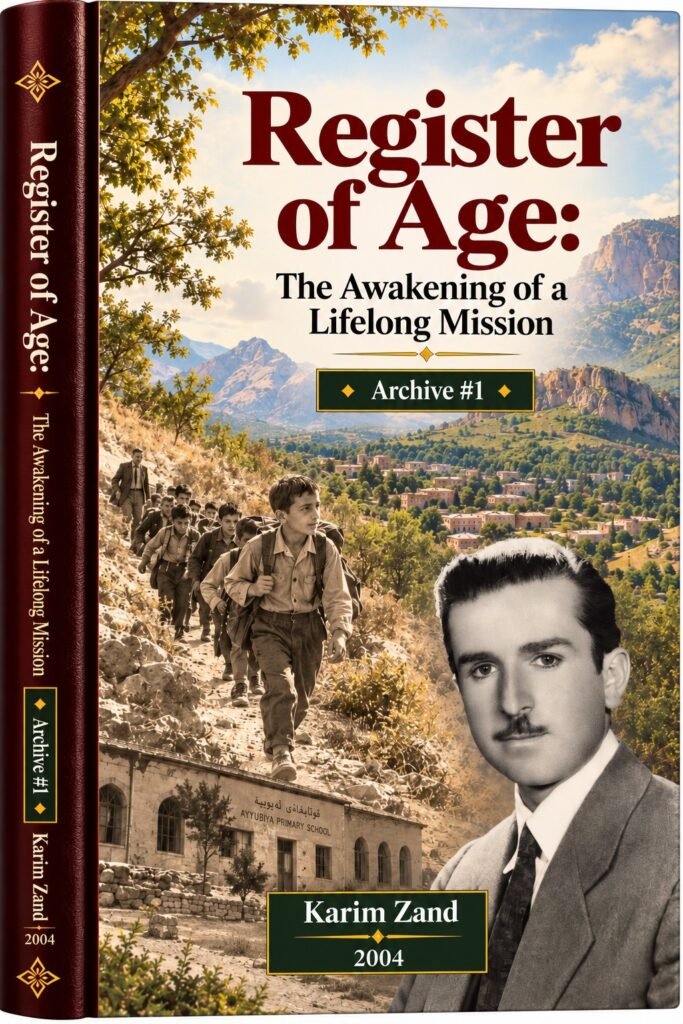
Zand First Journey: Archive #1 /year 2004
The Awakening of a Lifelong Mission
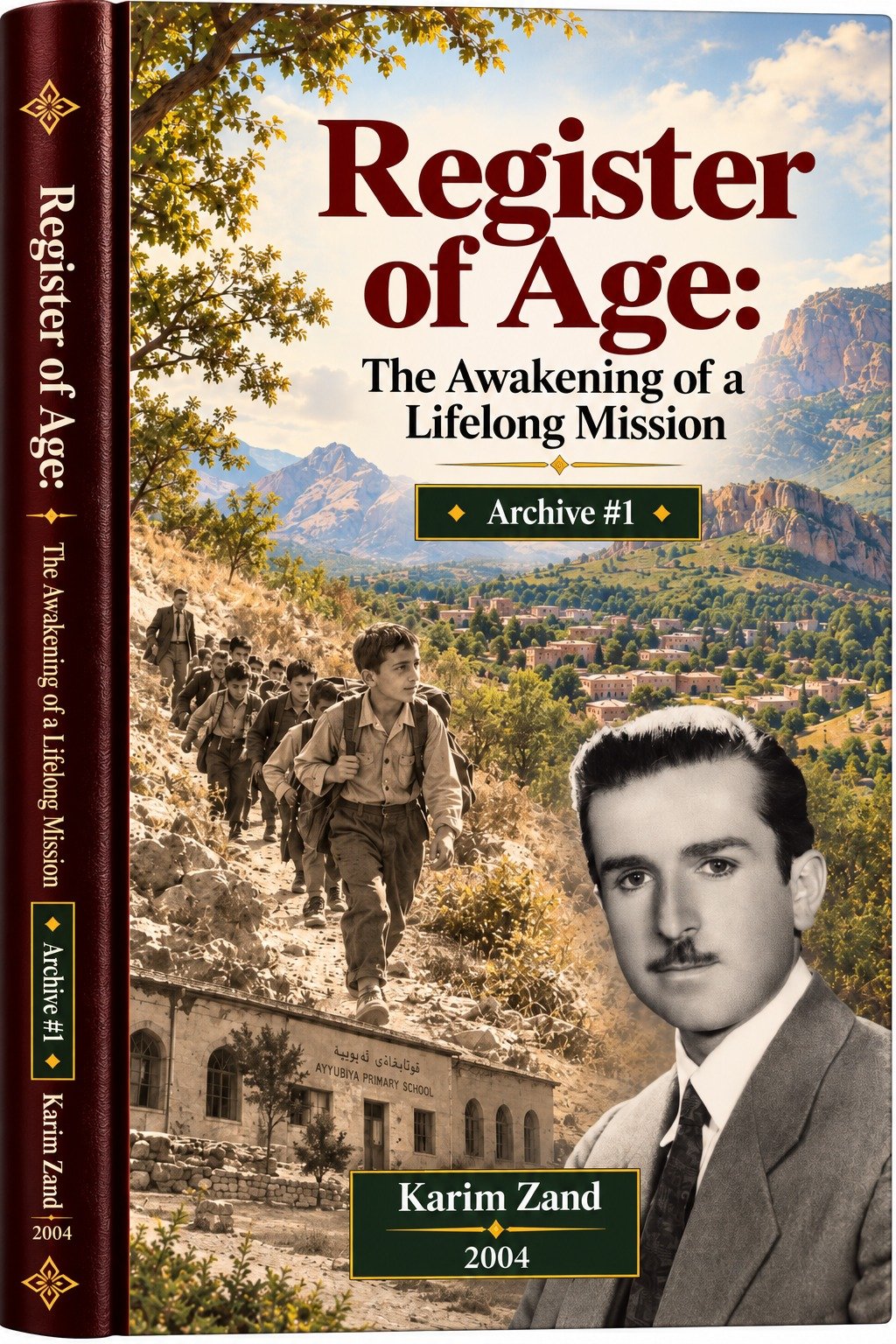
Karim Zand recounts that he began his first journey at the age of twelve, an experience that would ultimately shape the course of his life and career.
In 1936, while he was a sixth-grade student at Ayyubiya Primary School in Sulaymaniyah, there were only two schools in the entire city. A school excursion was organized to the village of Welder, located in the Goyzh Mountains within the Azmara Forest range. Due to his young age, physical frailty, and small stature, Zand was not initially included in the trip. Having already been deprived of his father’s compassion and protection, this exclusion deeply affected him psychologically.
On the morning of the excursion, a Friday, Zand rose early and quietly set out on foot behind the group of students. Despite the initial discouragement, his natural endurance and determination quickly became evident. His remarkable energy and ability to keep pace with the group drew the attention of both teachers and fellow students.
That moment proved transformative. What began as an act of youthful defiance evolved into a defining realization: walking, exploration, and direct engagement with the land would become not merely a passion, but a vocation. From this early journey emerged the seeds of the perseverance, field research, and geographic dedication that would later characterize his life’s work.
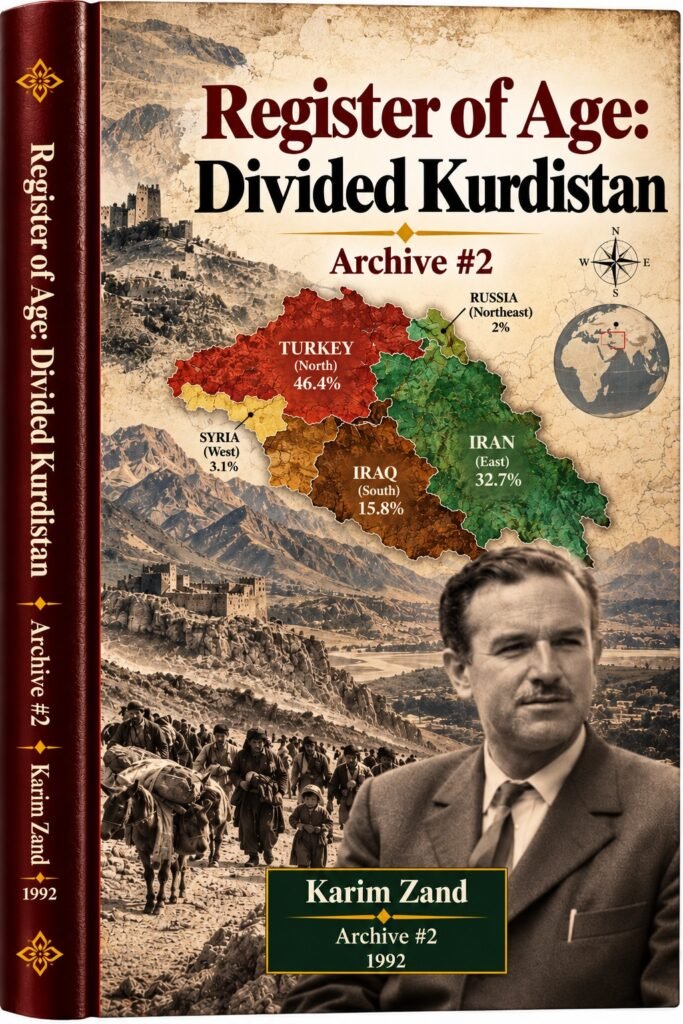
Zand Journey Archive #2 / year 1992
Partitioned Kurdistan
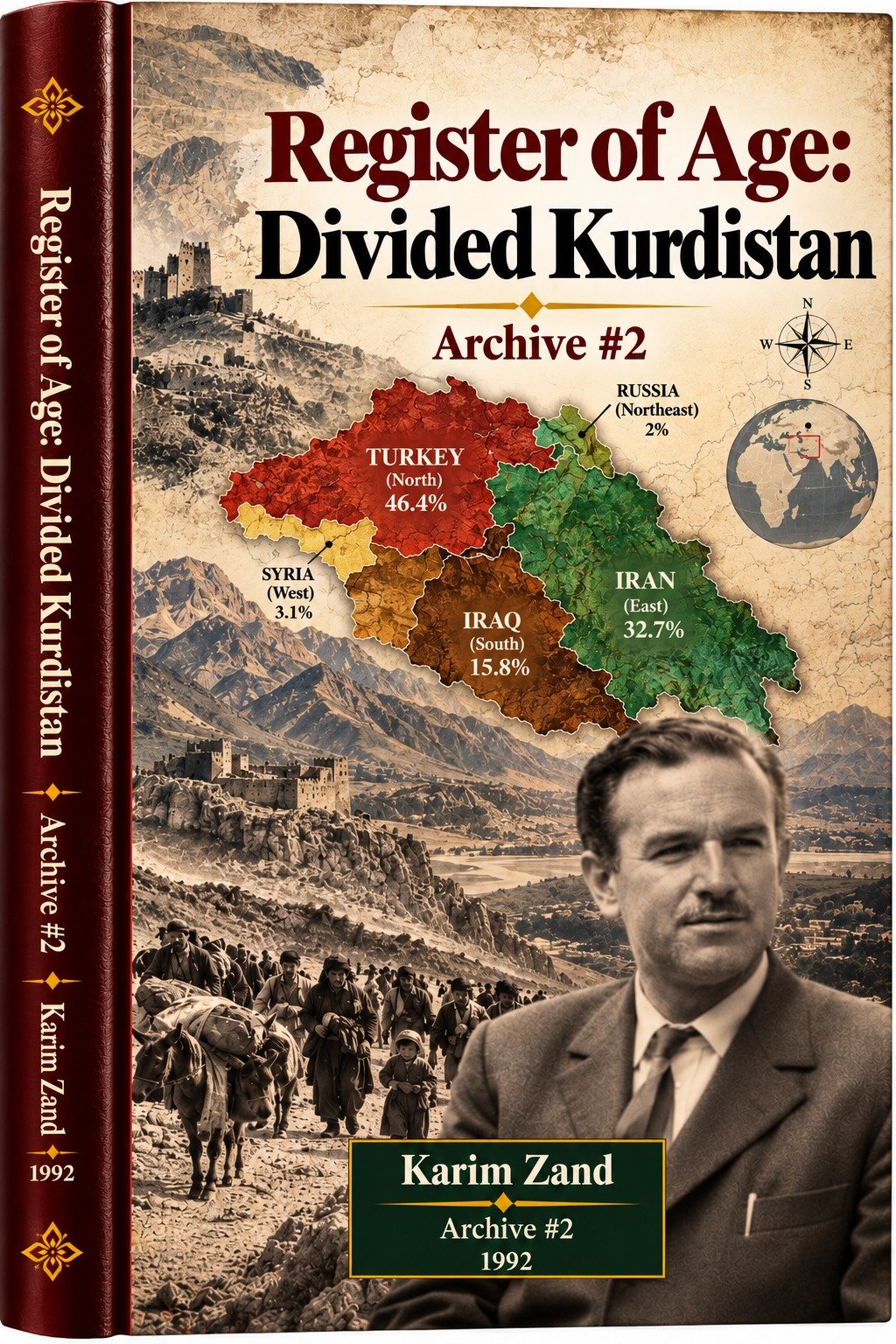
Kurdistan is not only occupied, which is a phrase commonly used by some writers and even a somewhat political expression; however, from a historical‑analytical and political perspective, this is not accurate. Kurdistan is not only occupied; rather, Kurdistan has been fragmented, divided into pieces, and partitioned among Turkey, Iran, and Iraq, with one part in Syria and another part under Russian control.
Its geographical and global location places it in the northern hemisphere of the Earth. According to the Earth’s climatic zones, it is located in the southwest of the Asian continent.
According to Its geographical and global location, the region is situated between latitudes (37° – 40° -50°) N and longitudes (30° -33°-48°) E “34° N to 40° N latitude and 38° E to 48° E longitude”. It spans the borderlands of Turkey and Iran, with a frontier stretching approximately 198 miles along the Turkish border and 680 miles through the Iranian Zagros range. Its total area is estimated to range between 475,000 km² and 500,000 km².
Area Survey
Average/proportions
213,000 km² in Turkey (North)
46.4% of Turkey
158,000 km² in Iran (East)
32.7% of Iran
73,000 km² in Iraq (South)
15.8% of Iraq
18,000 km² in Syria (West)
3.1% of Syria
13,000 km² in Russia (Northeast)
2% of Russia
Total: 475,000 km², approximately equal to the area size of France (100%).
Another Estimate:
- 226,000 km² in Turkey (North)
- 165,000 km² in Iran (East)
- 86,000 km² in Iraq (South)
- 17,000 km² in Syria (West)
- 13,000 km² in Russia (Northeast)
Total: 507,000 km²
Zand Journey Archive #3/ year 2003
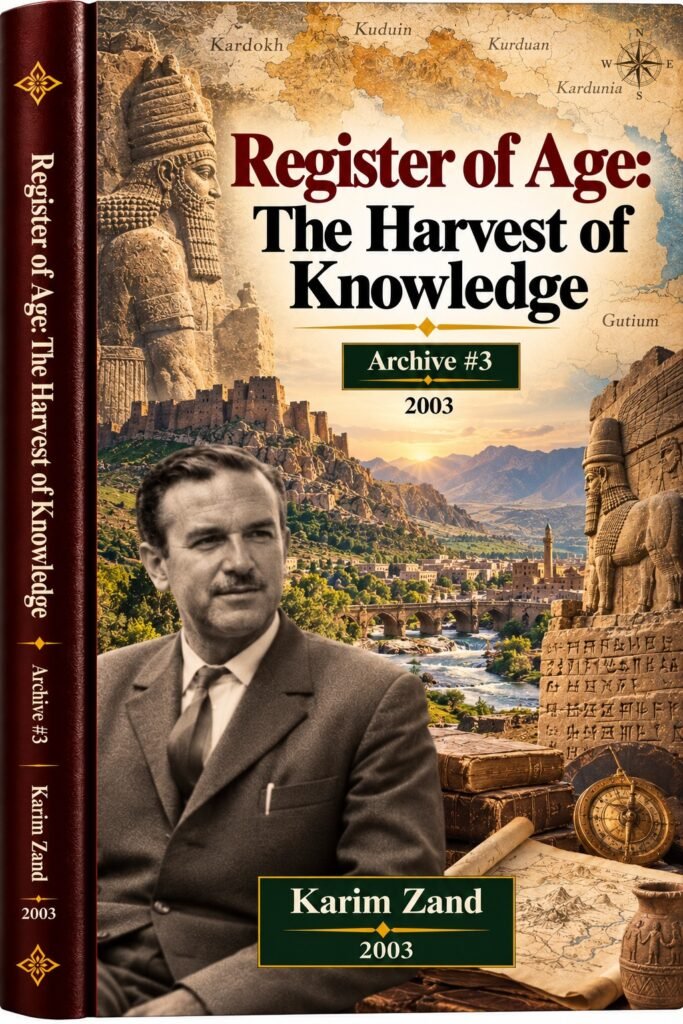
The Harvest of Knowledge
Presentation of the history of Kurdistan
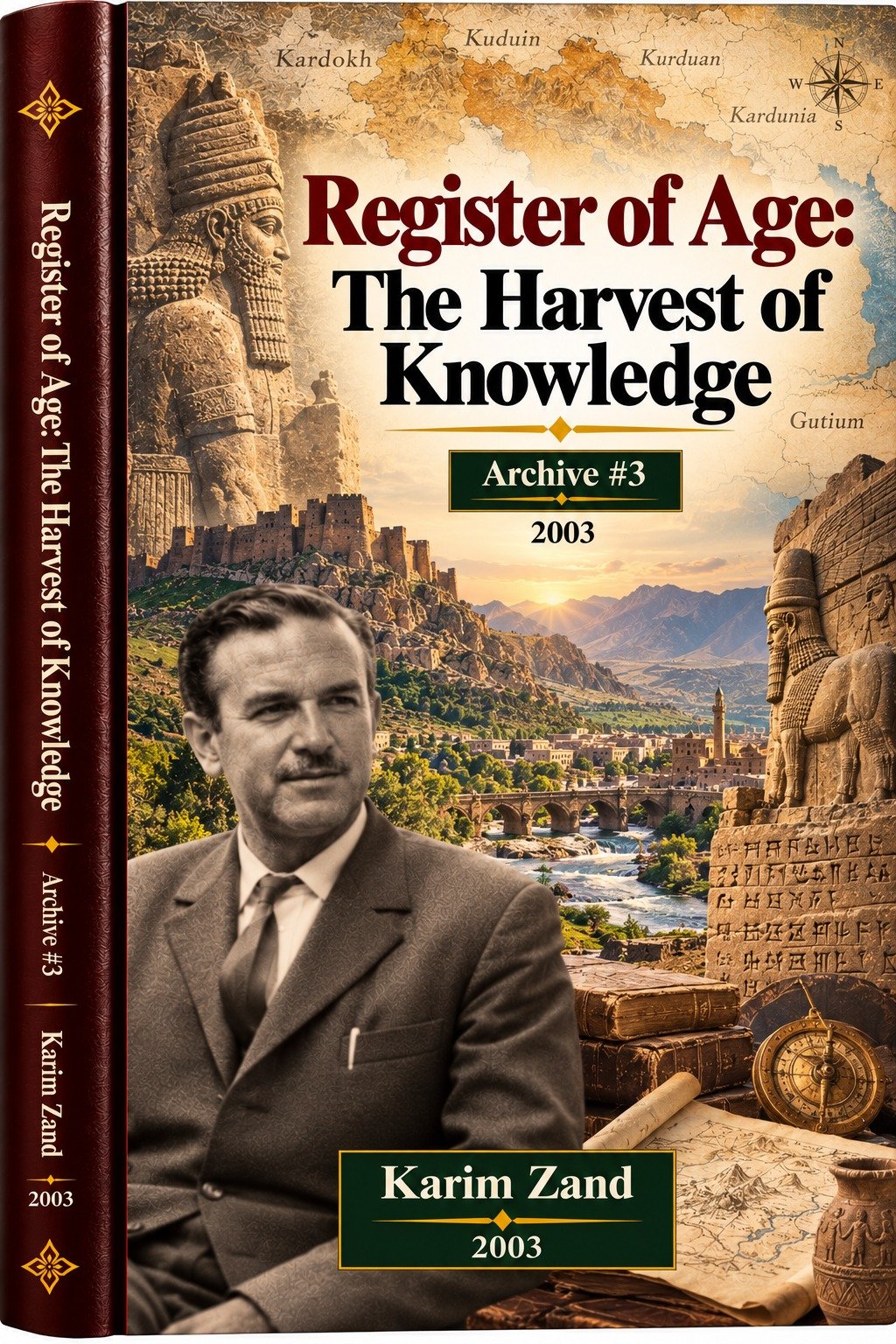
In the 7th century BC, the Greek and Ionian world referred to Kurdistan as Kuduin / Kurduan / Kardunia.
In Assyrian Era, it was called Kurd-Chikh or Kurd-Charkasi, meaning ‘the land of the Kurds,’ which consisted of islands, mountains, and the homeland of the Kardok (Karduch) people.
Kurd-Chigh — Kurdish land; the island of Iraq, the mountains, and Azerbaijan (Atropatene). Mokan, Aran, Armenia, and parts of the Roman Empire.
In Sumerian and Assyrian writings, this land was known as Gutium (Gwatim), meaning ‘the land of warriors.’ In the ancient East, they lived along with the peoples of Sumer, Elam, and Armenia lived together, and their capital was Adib (Abdib).
The word and name Gutium later evolved into Goti – Gudi – Judi – God – Gorti – Kurdi. In the history of the Kurds and Kurdistan, the region was also known as Kardokh (Carduchi).
(Age Record) Zand Journey Archive #4/ year 2003
Circle of Life
Nation and Language
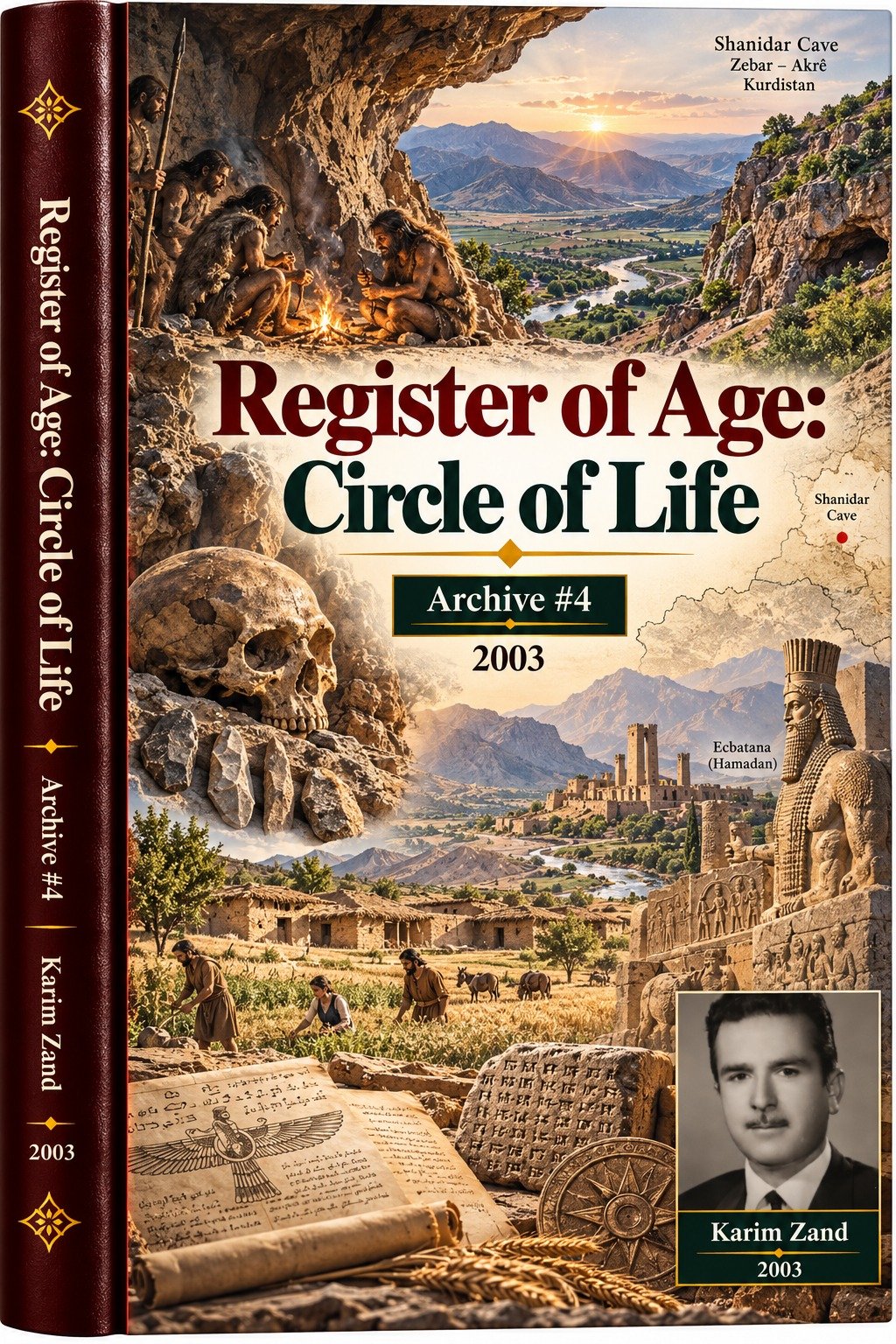
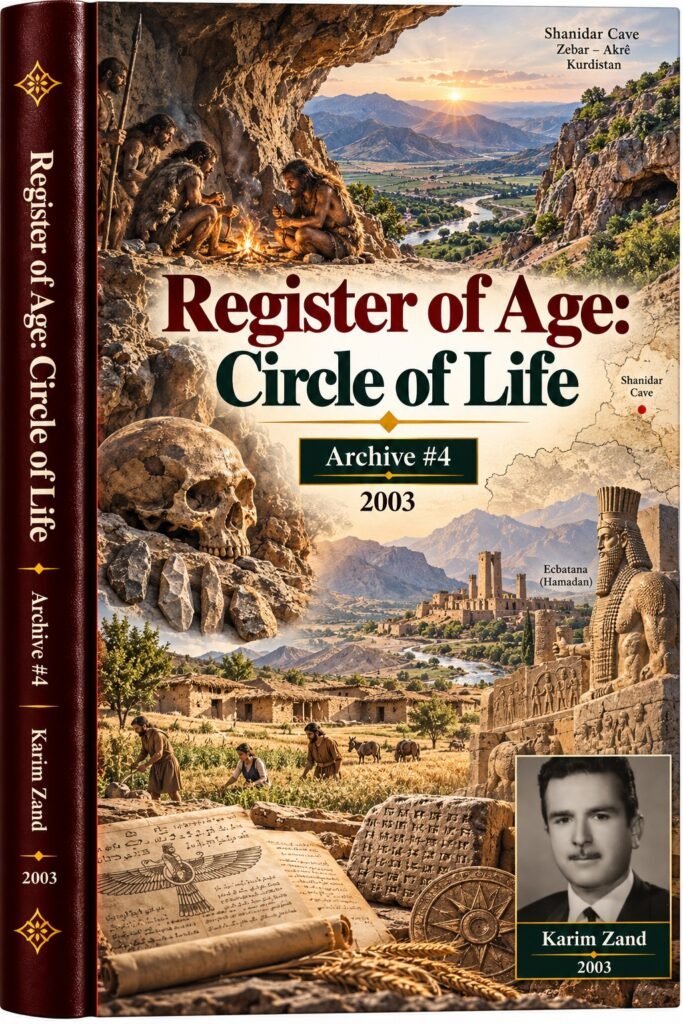
According to anthropological history, the Kurdish people first settled in the caves of the mountainous regions of Kurdistan approximately 80,000 years ago.
In Shanidar Cave, located in the Bradost Mountains above the Greater Zab River near Zebar, northeast of the town of Akrê and close to the border, the remains of a Neanderthal human were discovered. These date back about 50,000 years, and some estimates suggest up to 80,000 years ago.
Near this cave, in the village of Zawi Chemi, considered the oldest prehistoric village, evidence of agriculture has been discovered dating back 10,000 years. In different layers of the cave, stone tools were found, representing some of the earliest examples of tools from the Old Stone Age.
The Kurds are of Aryan race and nation. From the sources of the Tigris and Euphrates rivers to the Gulf, their capital was the city of Ecbatana (near present-day Hamadan). They spoke a language which, according to Sir Arnold Wilson, is the Kurdish language, considered the oldest language in Southwest Asia.
Kurdish is an independent language, although it has been influenced by neighboring languages. Over time, due to geography, climate, environment, and historical conditions, certain changes have occurred in its form and varieties, creating both differences and similarities and variations in dialects and forms emerged. However, this does not justify determining or limiting the ontological boundaries of a nation.
Kurdish is an Aryan language — the language of Zoroaster and of the sacred Avesta from divine revelation/revealed by God. It is also claimed that the divine message to the Prophet Noah was delivered in Kurdish.
(Age Register) Archive # 5/ year 2005
Movement
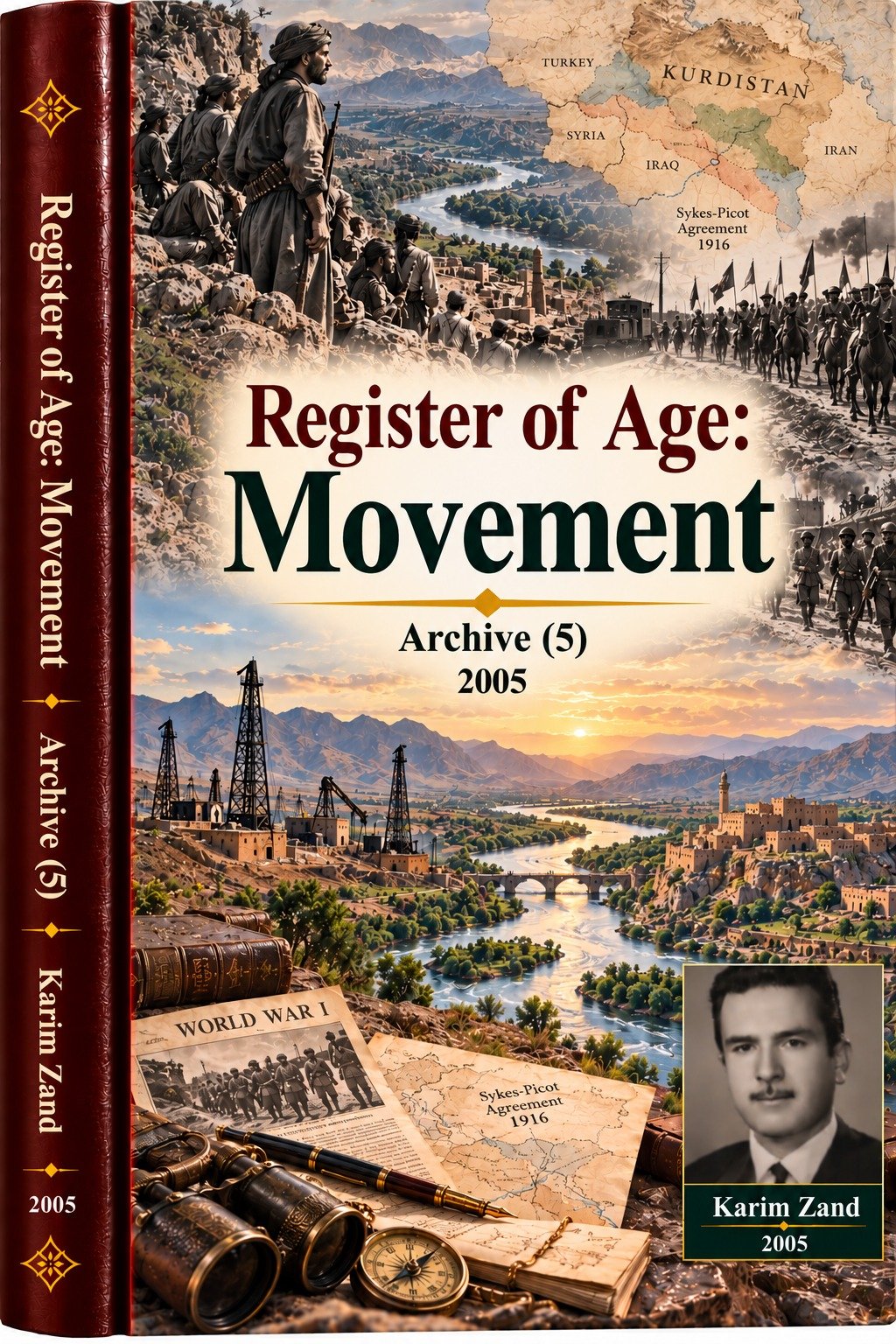
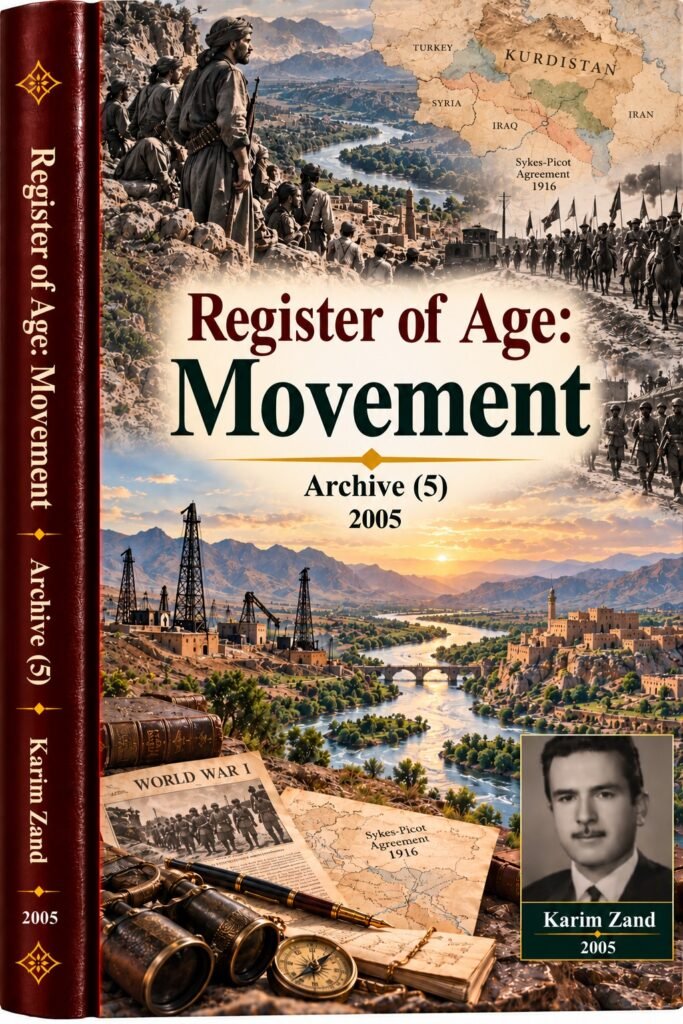
World War I and the Kurdish Cause (1914 – 1918)
Kurdology, Kurdwani, and Kurdnas refer to the study of the Kurdish language, traditions, and ethics. The first mention of the Kurds dates back to the travels of Xenophon in 401 B.C. Subsequent references can be found in the writings of Abalis, Herodotus, and the Torah, which discuss the Medes. Furthermore, Karim Zand demonstrated that he translated the New Testament, the Gospel from French into Kurdish, with the assistance of Priest Yusuf Peri, in order to sanctify the Avestan language, which was originally sacred.
Kurdistan, or Kurd land, holds significant strategic value in territorial plans and maps. A key reason for this interest is the wealth of untapped oil reserves in Bawagrgr. The Sykes-Picot Agreement of 1916, which outlined the distribution of land, did not take into account the interests of the Kurds, leading to a revolution that was unlikely to succeed in improving their situation.
Water Problems
Currently, 20 countries face water issues, with Djibouti being the poorest among them. In contrast, Kurdistan is rich in water resources.
- The Tigris River is 1,900 km, Tigris River flows 600 km through Kurdistan.
- The Euphrates River has two main branches: the Karasu (Rashao), and the Murad River. Both branches converge in the upper west of Alazik to form the Euphrates River, which then flows for 647 km through Kurdistan.
Tigris and Euphrates River run parallel and together they define the region of Mesopotamia, the Land between rivers, providing essential water and empties in the Persian Gulf sometimes called Arabian Gulf.
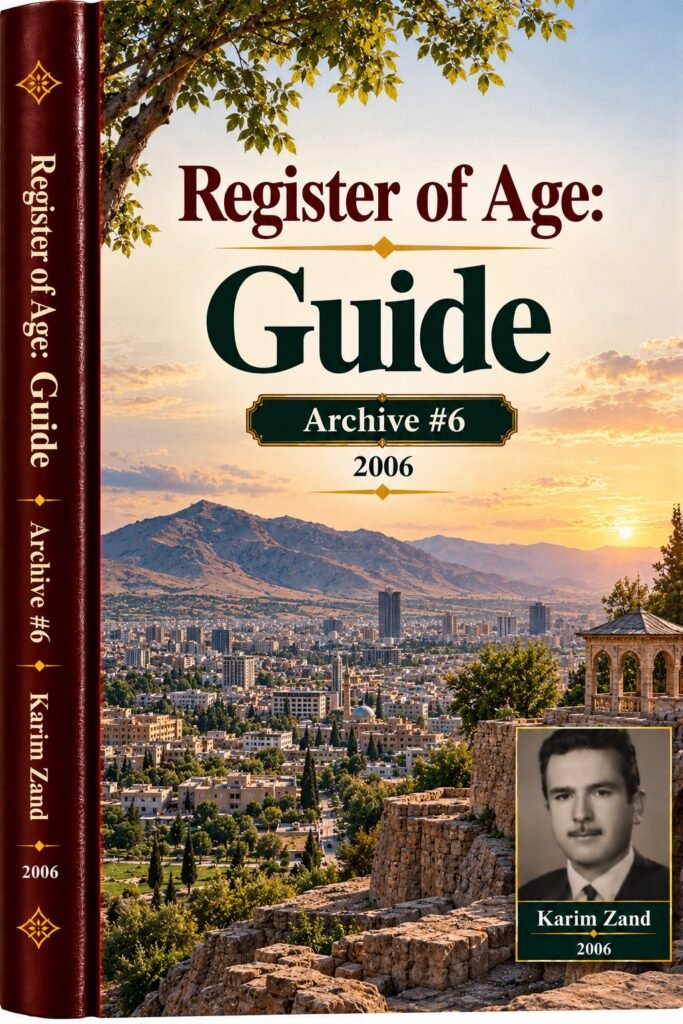
Register of Age Archive #6 2006
Guide
History of Sulaimani: A Basic Overview with Historical Context
Sulaimani province has played a significant role as a center for trade and exchange, acting as a bridge between prominent cities in the region. Comprising ten district towns, the province experiences a Mediterranean climate, characterized by cold winters and hot summers.
This overview includes information about the cities’ locations, statistical data, the number of mosques, monasteries, takyas (prayer houses), residential areas, cafes, shops, and bustling bazaars. It also covers information about municipal services, such as streams, factories, industries, beaches, neighborhoods, and urban development. Details regarding the municipality’s management of streets, financial services, parks, and firefighting efforts are included. Additionally, a survey of the city’s monuments is provided.
The educational and cultural aspects of Sulaimani encompass literature, schools, Sulaimani University, newspapers, magazines, publications, libraries, and the influence of prominent figures within the community.
The artistic side of the Kurdish community is also significant, with various forms of art playing an important role. The history of revolutions in the region includes key events, such as the leadership of Qazi Mohammad in Peshawar, Sheikh Mahmoud’s government and its rule after World War I, and the governance of Abdelkarim Qassim in relation to the Kurds.
In summary, while the region has faced challenges, its resilience and revival are crucial for its future. On the contrary, the concept of evil symbolizes the opposite of life, often intertwined with themes of war and conflict.
War and chaos are synonymous, leading to death. Planting life in the face of death—cultivating the world in the underworld, and planting a tree at the end of life.
Zand Journey · Archive # 7 year 2006
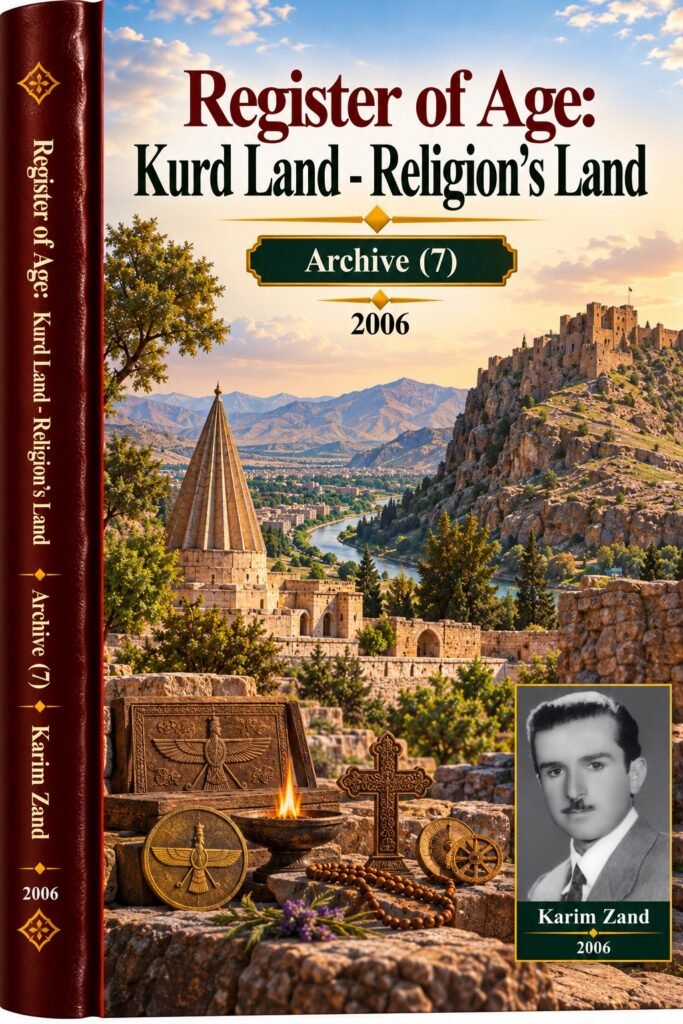
Kurd Land is a Religion’s Land
Five thousand years ago, the region known as Kurdistan was inhabited by various tribes living in the Zagros Mountains and surrounding valleys. The Medes, who migrated westward from a settlement east of the Zagros Mountains, united these tribes into a powerful nation under the Median banner around 727 BC. The Kurds can trace their ancestry back to the Medes.
When Kurds in Europe established a television channel, they named it Media TV, reflecting their historical connection to the Medes.
Kurdistan, the homeland of the Kurds, is recognized as the dwelling place of prophets, the sanctuary of holy figures, and a paradise on Earth. Zoroaster was born in 570 BC in the village of Darbin, located in southern Kurdistan. Prior to Zoroastrianism, the religion of Zrwani was practiced in Kurdish society.
Lalish, located 30 km from Akre, is considered the first settlement on Earth and is the holy site of the Yazidis. The region has a rich tapestry of religious beliefs, including Mazdeism, Baha’i, Buddhism, and influences from the prophets of Israel, Freemasonry, as well as Christianity in its various forms—such as Assyrian, Catholic, Chaldean, Syrian, Armenian, Roman, Latin, and Protestant.
Kurdistan holds significance in the stories of religious figures, with Kurds appearing in both the Bible and the Torah. The region is also home to narratives regarding scholars, prophets, social movements, the pursuit of truth, Sufism, and various aspects of Islamic teachings, including the story of the Prophet Muhammad. Central to these beliefs is the concept of the oneness of God.
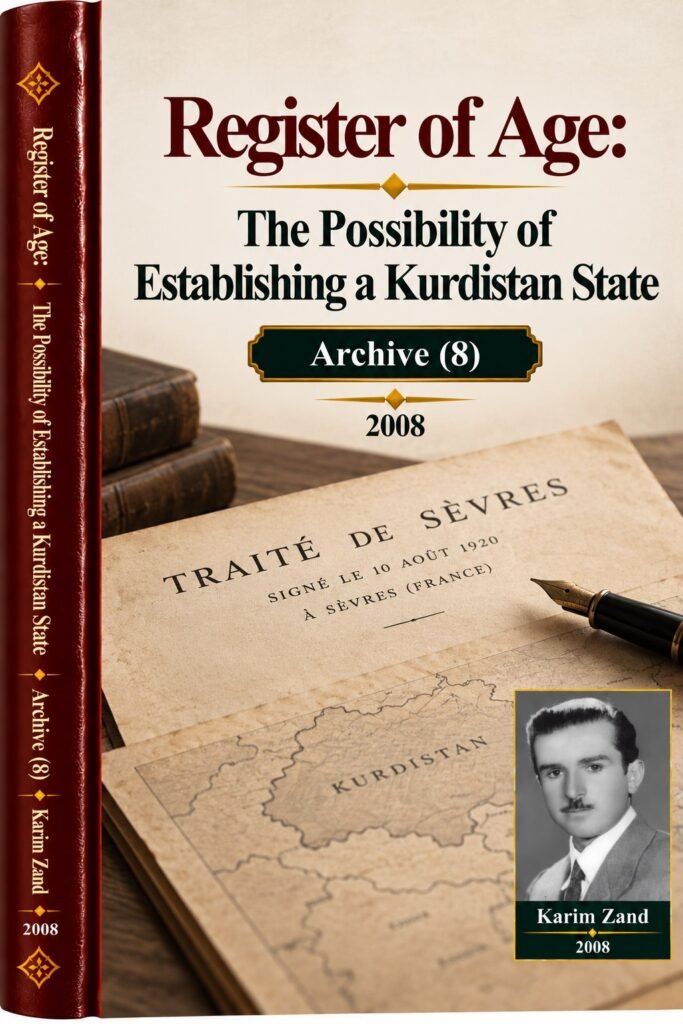
Archive # 8 / 2008
The Possibility of Establishing a Kurdistan State
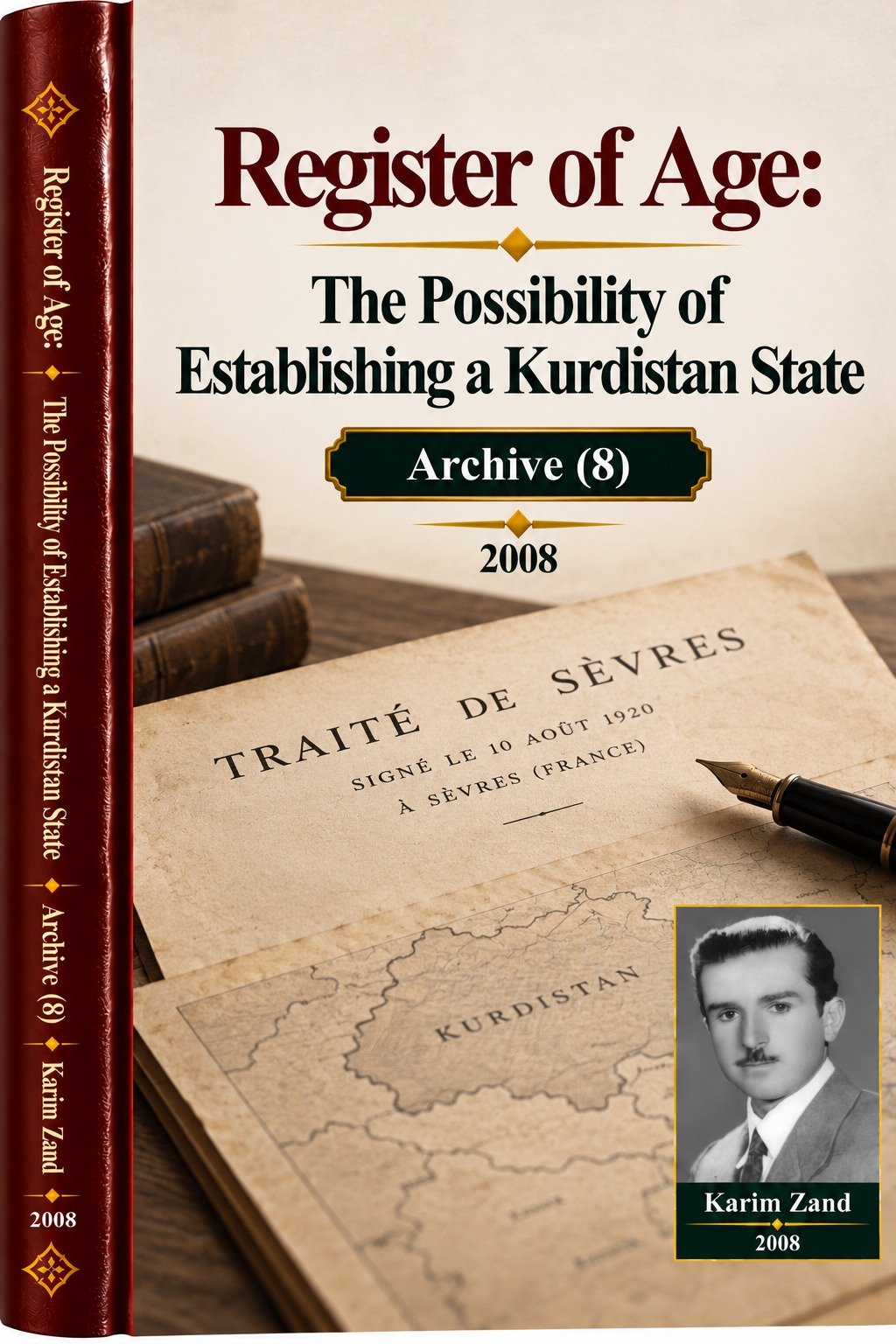
The Treaty of Sèvres, signed in Sèvres, France, on August 10, 1920. marked a significant moment in the history of the oppressed Kurdish people. Articles 62, 63, and 64 specifically address the situation in Kurdistan, highlighting the aspirations and rights of the divided Kurdish population. Unfortunately, these hopes were stifled by the subsequent Treaty of Lausanne, signed on July 24, 1923.
Following World War 1, the Sykes-Picot Agreement and the Geneva Convention Kurdistan was divided.
The events of occupation and partition have led to the destruction of the Kurdish people and weakened their national identity. This ongoing struggle can be compared to a disabled person standing on slippery ground, unable to withstand a strong storm.
Looking ahead, the future for the oppressed Kurdish people in fragmented Kurdistan must focus on internal unity and external recognition, with the ultimate goal of establishing a state, whether in the near or distant future.
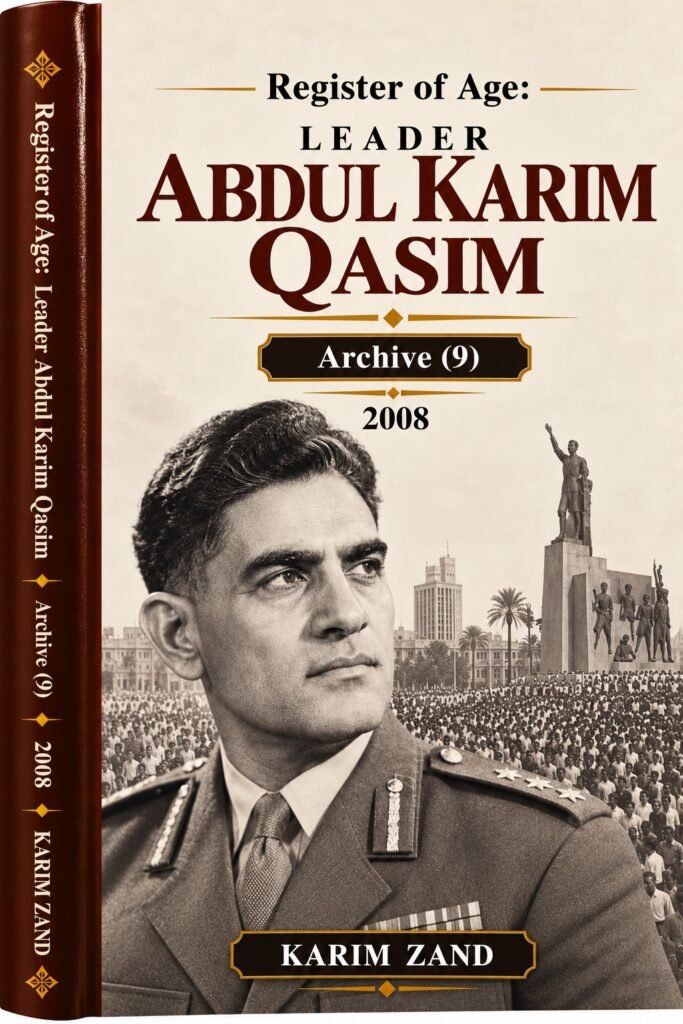
Archive # 9 / year 2008
Leader Abdul Karim Qasim
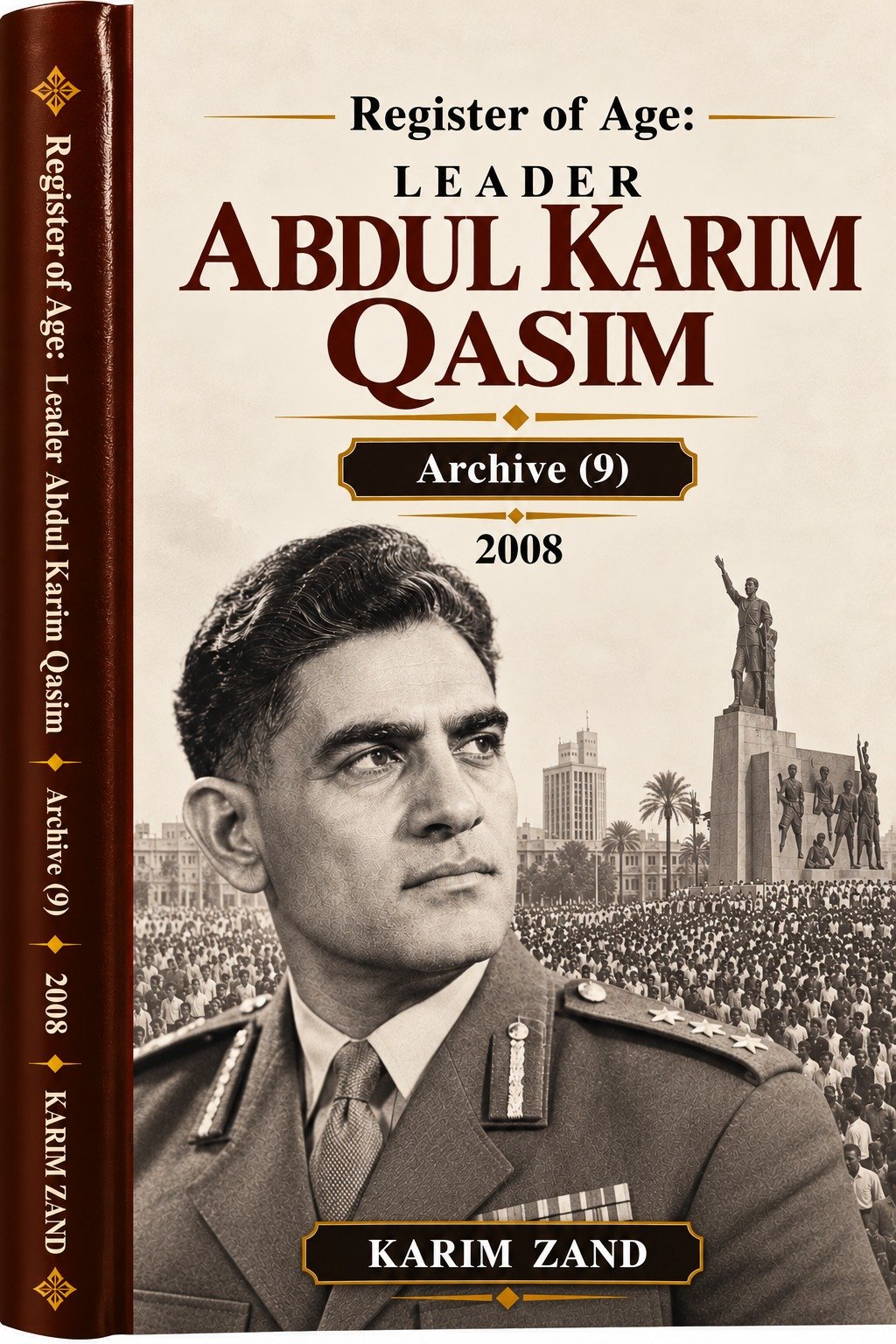
The great leader, who ruled Iraq for four and a half years. He loved the people and the country as much as he loved God. The July 14, 1958, revolution brought light to the people. The will of the people prevailed. History moves forward. Leader Abdul Karim Qasim was elected on his own merits, and he did not belong to a political party.
Leader Abdul Karim was a combination of Kurds and Arab. His father, Qasim Mohammed Bakr, belonged to the Qahtan tribe, who came to Iraq from the northern Hejaz. His mother was Kifiya Hassan al-Yaqubi, a Lore Kurd (Faille).
He was born in 1914 in Baghdad, (aged 44) until 1963. He graduated from the Military College.
He received many awards, including Wissam Al-Rafidin, studied in the U.K., and attended many courses and training in the Iraqi Military.
His saying that became the word of mouth among the children of the neighborhoods, “Afa Allah Ama Salaf, Alrahma fawqa Alqanon.” May God forgive what has passed. Mercy is above the law). He forgave those who tried to kill him.
He was assassinated on August 9, 1963. He had only one Iraqi dinar in his account, and his home was his workplace. The leader did not use state money and property for his own purposes. He was not guilty of theft or adultery and maintained his patriotic spirit to the end of his life.
The leader was executed without trial in a brutal manner, without regard to human rights. The leader went to the people’s hall in his car, in his simple spirit, and not much later, they blew up the car. As he entered (People’s Hall), Shab Hall, A Ba’athist officer pulled a stick on him. His hut full down. On the same day, he was hanged, shot dead in 14 Ramazan, while he was fasting by Naima Fares al-Hanawi, a sergeant with three bullets. Pulled by his hear. His body was thrown into the Tiger River close to Diala Bridge with a heavy metal. His body became food for the fish in the river. This is the way he left this world.
A selfless, patriotic, and golden-hearted, clean tongue, clean hands, clean mind, down-to-earth, friend of the poor, democracy, did not distinguish between his fellow citizens in terms of political and religious opinions. He appeared among the people every evening, walking on the streets in Baghdad to see what the people needed. he was called the face of the moon.
Before the revolution, the leader proposed to a girl who was a teacher, but she refused. One day, while he was visiting the school, he saw a ring on the teacher’s finger, this affected him and he never married. He left the world, he only had one Iraqi dinar in his account. His home was his workplace inside the ministry. He had no wealth to leave behind, neither family nor children. But his image to the people was an image in the moon. The assassination of the leader was a great loss in Iraqi history.
Archive # 10 / year 2009
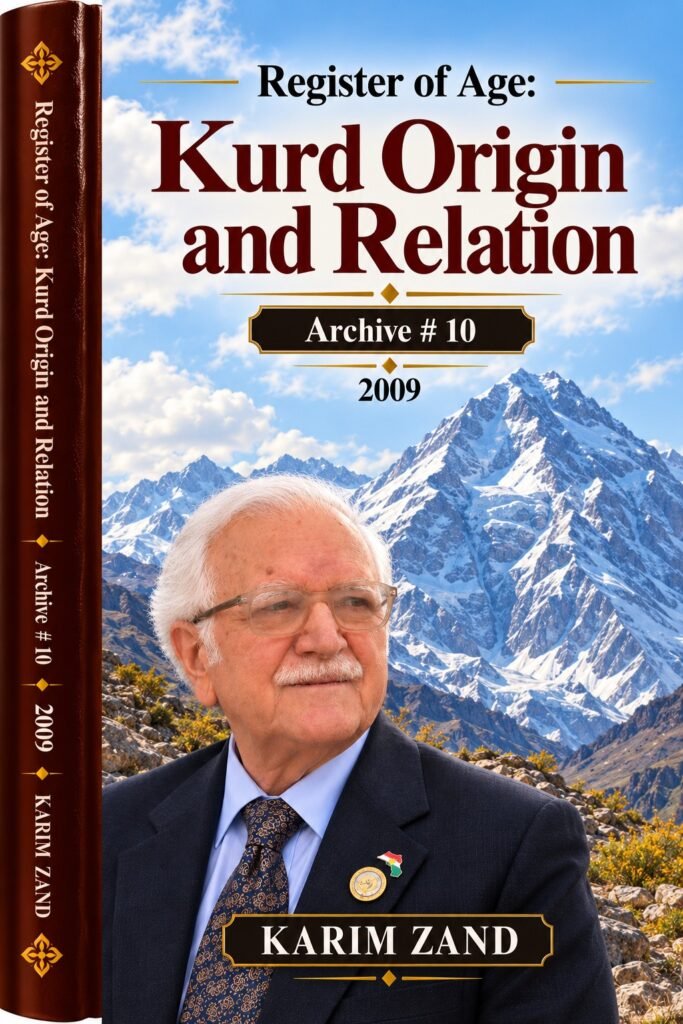
Kurd Origin and Relation
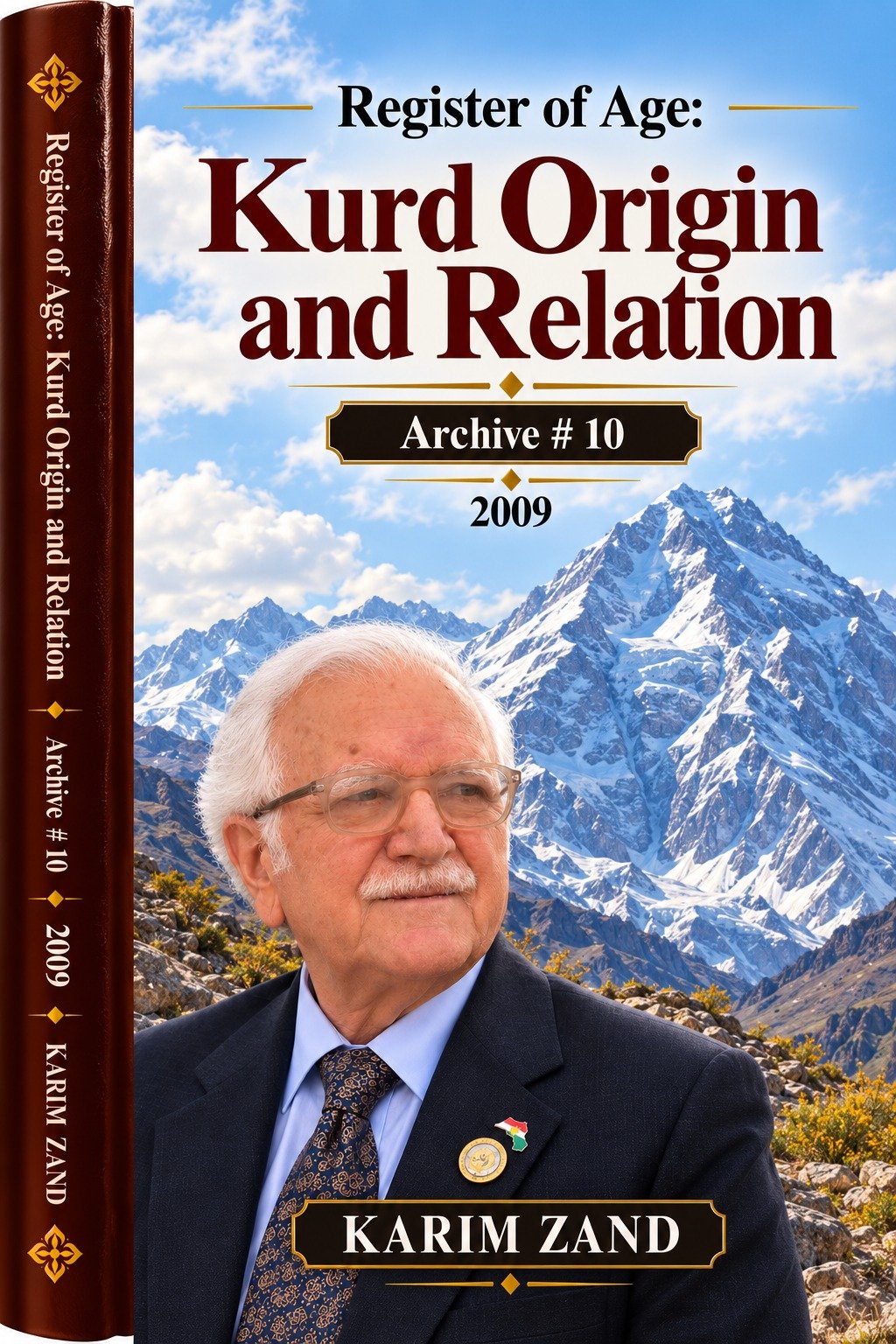
Kurdistan
The earliest known location where humans formed societies is Khuzestan, situated in the land between the two rivers. The inhabitants of the Zagros region have long interacted with those from Khuzestan, Elam, Sumer, Akkad, and Babylon. Historically, all tribes in this area were eventually united under the Medes, and therefore this region is recorded as the land of the Medes.
Kurds
Historians agree that the Kurds, an Aryan tribe, have been recognized since the dawn of history. This ancient Kurdish group lived in Asia and had close ties to the Medes. However, no one has attempted to write an independent historical account for this tribe.
Although I do not hold any formal rank, I feel compelled to explain the origins of this tribe, as I am one of them. It is difficult for me to write about the courage and generosity of my people without bias.
There are three groups who have attempted to document Kurdish history:
- Foreign scholars who had no intention other than to gather information for themselves.
- Ordinary explorers who traveled through Kurdistan and recorded their findings.
- A self-serving group that aimed to write about Kurdish history under false pretenses; some of their writings contain truths, while others distort facts in an attempt to undermine Kurdish identity and heritage. They have sought to mislead the Kurds, attempting to connect them to other nations and cultures.
The Kurdish race has been collected with the knowledge and documents of historians. I searched for the sources, translated, and prepared them for the Kurdish new generations.
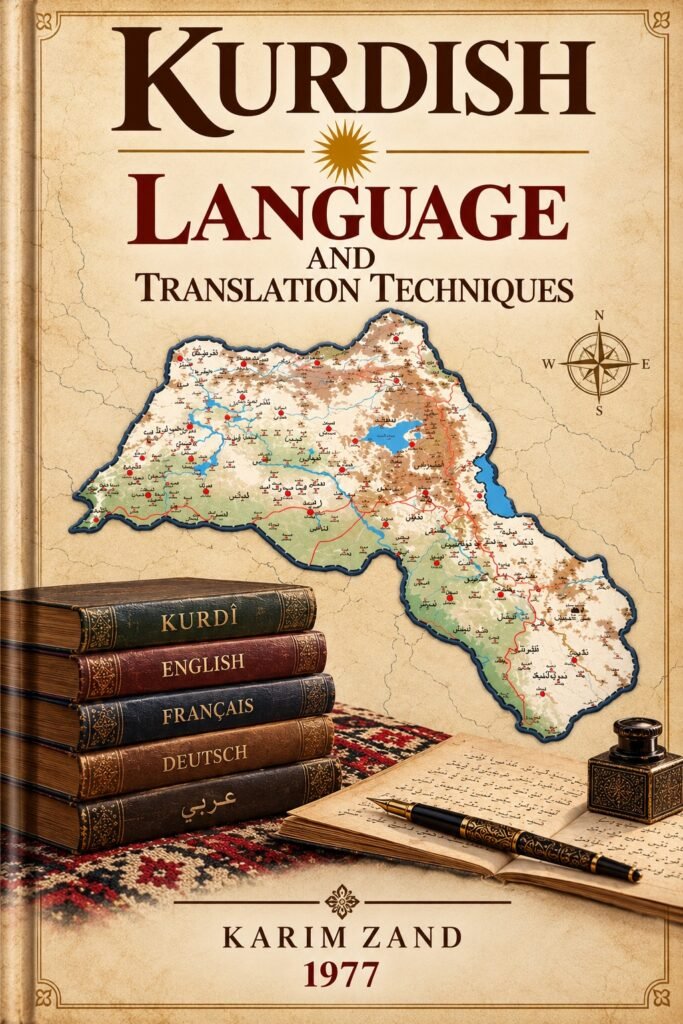
Kurdish Language and Translation Techniques/ 1977
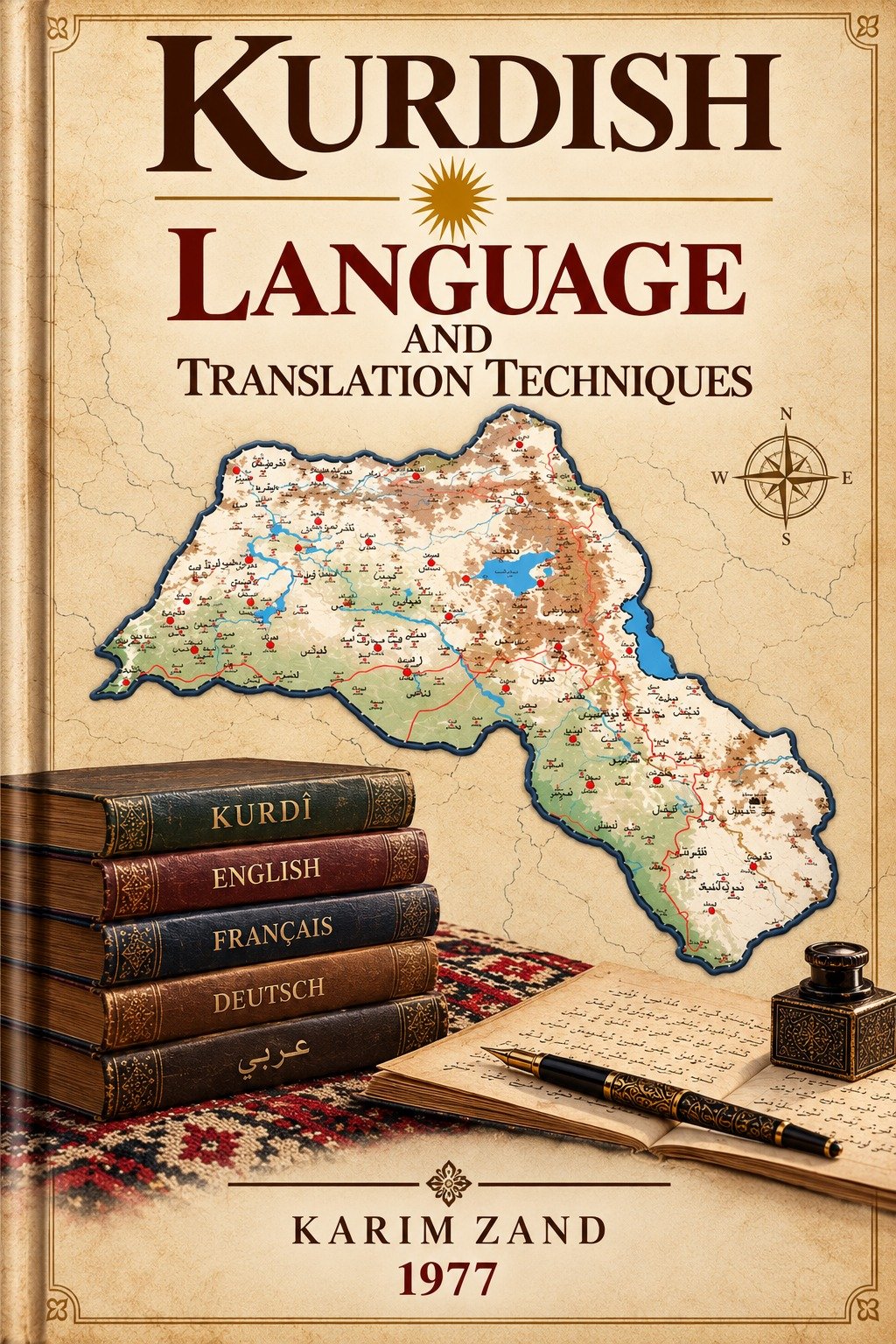
Language serves as the foundation of a nation’s civilization, reflecting its culture and progress. It plays a vital role in developing relationships between nations and facilitating the exchange of ideas and culture. The language of literature is essentially the written expression of a nation.
Translation is a complex task. Some words cannot be directly translated from one language to another, and it’s important not to replace them with overly complicated terms or phrases. Translation is not a mechanical or lifeless process; rather, it is a dynamic endeavor that involves accurately conveying a message from one language to another without distortion, exaggeration, or omission. It aims to preserve the intent of the original writing for the reader. Effective translation is not simply word-for-word or sentence-by-sentence; it is an art form, an innovative process that reflects the translator’s fidelity to the source language, linguistic skills, and expertise.
Four key points are considered in translation:
- Understanding and analyzing the original text
- Translating the content
- Reviewing the translation
- Making necessary adjustments and refinements
- Evaluation of types of language
Living Languages
There are currently 13 living languages on Earth, including English, German, Russian, French, and Spanish etc. English holds significant importance in terms of media and circulation, even more so than Chinese. However, the syntax of denotative and connotative words is considered less significant in English compared to Chinese.
Dead Languages
Globally, there are approximately 3,000 languages, among which around 500 are ancient languages no longer in active use. Some of these languages are endangered, such as Latin.
Religious Languages
Latin is used in Europe, while Arabic is often employed during religious occasions in Kurdistan.
Official Language
The official language of a republic or state is referred to as the “language of the emperor.” Geography does not always dictate the distance or similarity between languages. For example, Kurdish and Arabic are geographically close yet grammatically quite different. Despite Kurdish being geographically distant from English, both languages belong to the Indo-European language family.
In 1977, Karim Zand released a book titled Kurdish Language and Translation Techniques.
Karim Zand/ year 1970
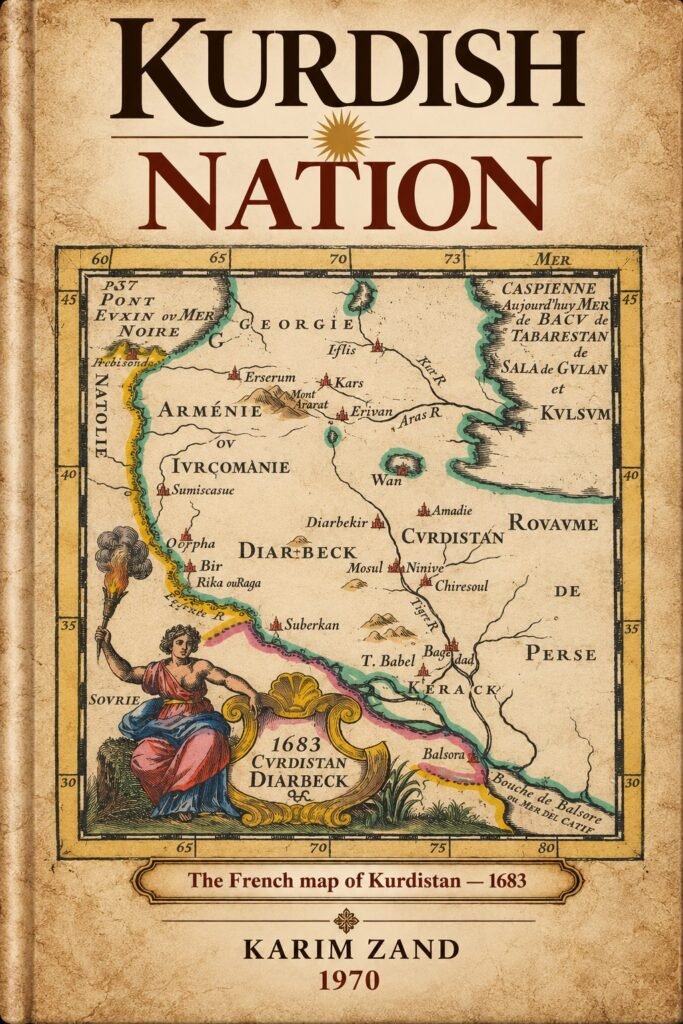
Kurdish Nation
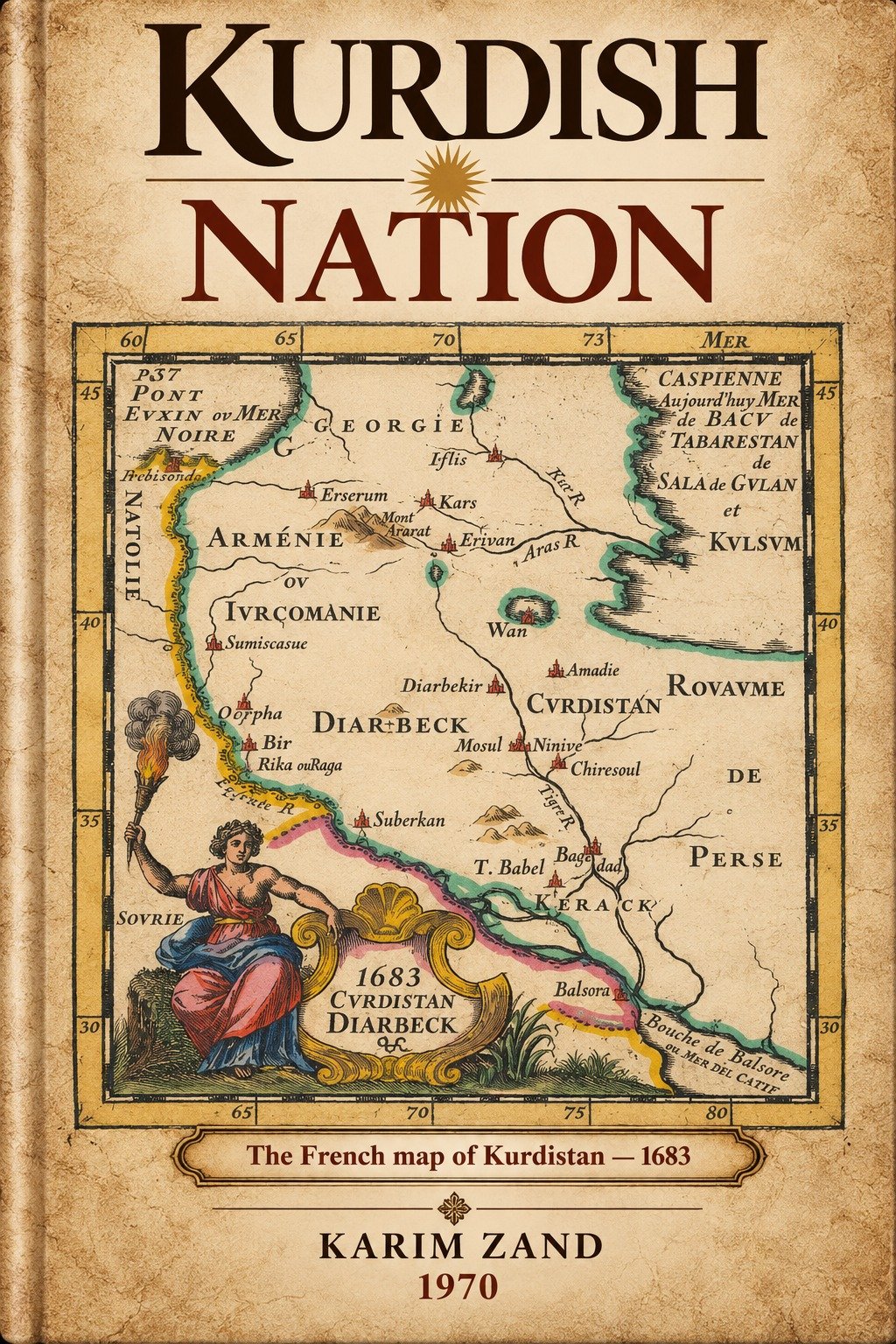
A nation is not simply a tribe but rather a specific group of people. The Italian nation today has its roots in Romans, Germans, Greeks, Etruscans, and Arabs. Similarly, the French nation originated from Gaul, Romania, Britain, and Germany. Throughout history, the English and Germans have also formed nations from various groups of people belonging to different tribes and clans.
Thus, a nation can be understood as a group that has evolved over time from its historical heritage. However, the republic established by figures like Caesar and Alexander the Great cannot be classified as a nation, despite its historical significance and the diverse tribes it comprised.
A nation is defined as a settled group of people, but not every settled group qualifies as a nation. For example, countries like Austria and Russia have distinct boundaries that separate them. A common language serves as a key characteristic of a nation; no nation should be prohibited from speaking its own language. A national language is one that is unique to a nation, rather than the language imposed by a ruling authority in a republic.
This does not imply that two different nations cannot communicate in the same language. For instance, English is spoken in both North America and the UK, just as Norwegian and Danish are both spoken in Scandinavia. However, the British and North Americans are not considered a single nation, despite sharing a language, because they inhabit different lands and do not share a collective identity.
Moreover, each nation has its own economic foundations, scientific advancements, and unique spiritual beliefs that distinguish it from others.
Capitalists view the nation as a race. Just as there is a struggle for survival in Gethsemane, there is a similar struggle in the human world between the strong and the weak. The oppressed often deceive and exploit the vulnerable. Therefore, we must reject and dismantle capitalist ideology, as it has created disorder in society and misled many people, obscuring the true understanding of what a nation is.
So, what defines a nation?
A nation is a settled community that shares a common history, language, territory, economic life, collective knowledge, and intertwined spiritual beliefs. A community that lacks a single language cannot be considered a true nation.
Another characteristic of a nation is that its customs are not stagnant; instead, they are progressive, evolving, and adapting to societal changes.
The Kurds exemplify a nation that possesses all these traits. Any attempts to fragment, divide, or displace their territory, as well as efforts to suppress their language, represent a deep wound to this nation, reflecting the complexities of their historical struggles.
A nation that occupies another nation cannot be regarded as free or independent.
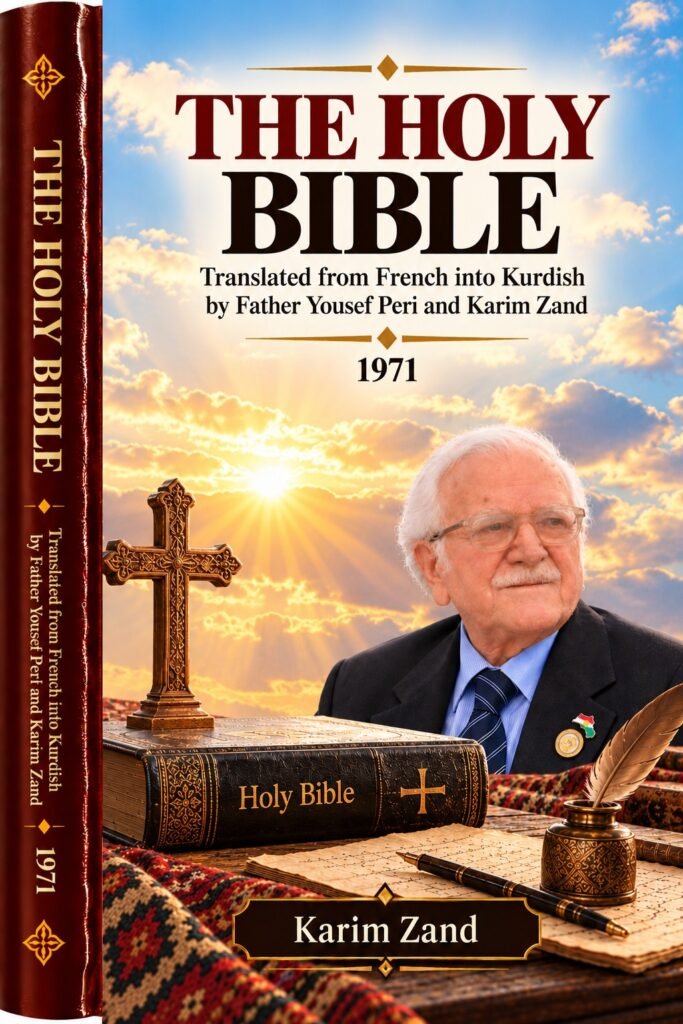
The Holy Bible
The Gospel of the New Testament of Jesus in Kurdish Sorani.
Translated from French into Kurdish by Father Yousef Peri and Karim Zand year 1971.
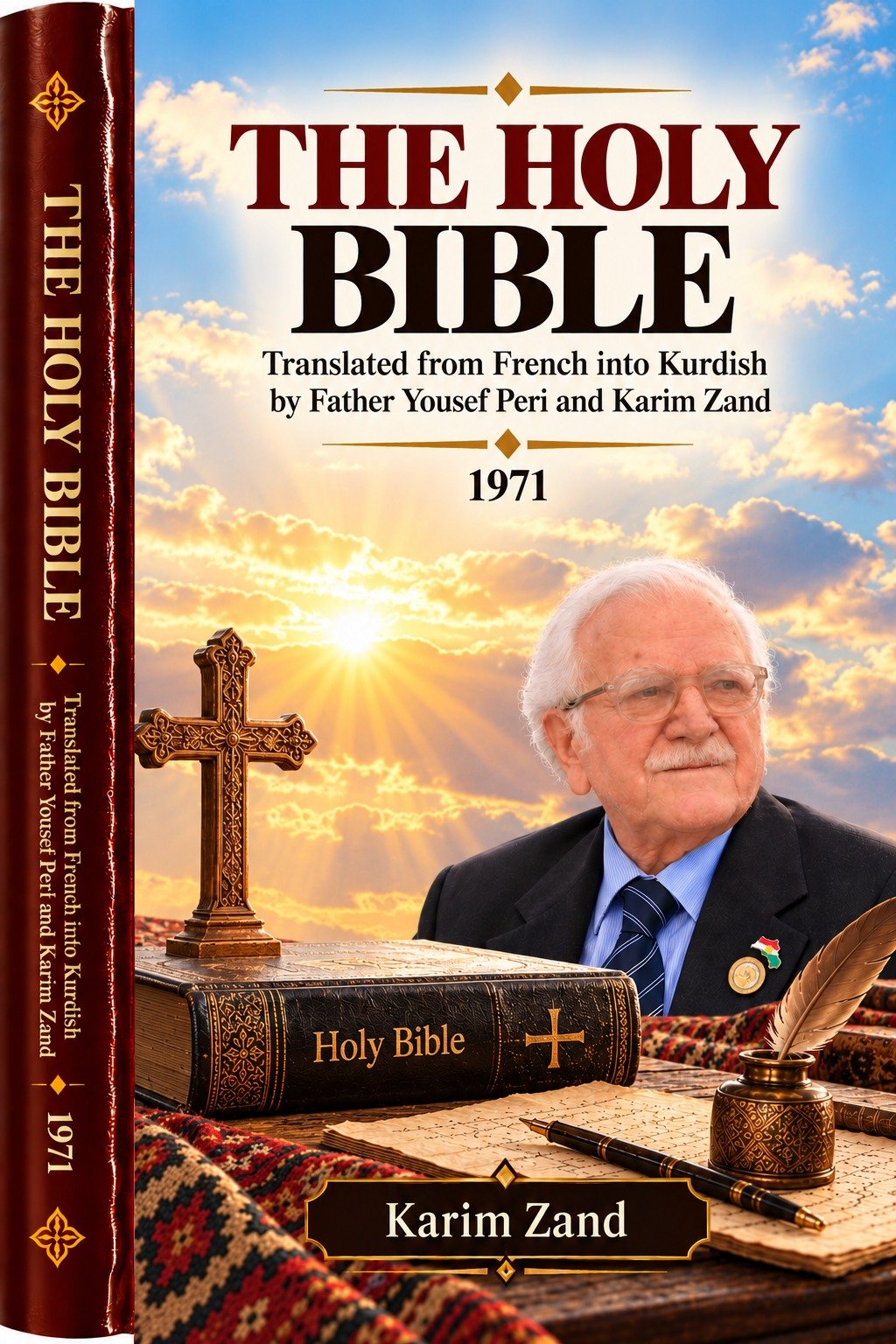
The term “gospel” comes from the Greek word “evangelion,” which means “good news.” During Jesus’ time, this word was primarily used to announce the arrival of a king to a city. There is only one gospel: the gospel of Jesus, the message that He brought and proclaimed, which His disciples continued to share after His resurrection. Jesus did not write the Gospels Himself, but He taught His disciples in a way that made it easy for them to remember.
“Christ” is derived from the Hebrew word “messiah,” meaning “the anointed one.” In Jewish tradition, only kings, prophets, and priests were anointed and appointed by God.
Karim Zand, a well-known journalist, migratory, and historical writer, was transferred from the Kurdistan Region in northern Iraq to the Arab region of southern Iraq, where Arabic is the official language. He was exiled in Nasiriyah, Basra, for six years. During this time, he often contemplated the New Testament and wondered why it was not available in Kurdish. At that point, the only available translation was the Gospel of Matthew, which was not accessible in Kurdistan. He pondered how the New Testament should be translated into Kurdish and who should undertake this task. He also wondered about the potential disagreements among people and who would be willing to cooperate and support the effort. Many questions occupied his mind.
One day, while in exile, he lay down on his bed and fell asleep. In his dream, something green descended from the sky, calling his name, “Zand, Zand.” The voice proclaimed that the Kurdish nation must read the Bible in their own language, and that he would be the one to accomplish this task, under God’s protection. After the statement concluded, the angel ascended into heaven. Upon waking from his dream, Zand sat up and called for his wife, Amina. He told her, “God promised to protect me for a job, but I must return to Sulaymaniyah, my hometown, to fulfill it.” Following this dream, the Iraqi government granted him permission to return to his homeland.
After spending six years in prison, Karim Zand returned to Sulaymaniyah. Upon his return, he reached out to Father Joseph Peri, a priest who agreed to help him with the translation. They worked diligently for seven months to translate the New Testament, which was published in late fall 1971.
Zand also consulted with local leaders and religious figures, seeking their opinions on his work. He sent letters to gain their support for his translation project, and while everyone approved and promised to assist him financially, none provided the funding he needed. As a result, Zand took it upon himself to finance the printing of 1,500 copies. Finding a printing press for the project and distributing the copies to public libraries, bookstores, and other venues proved challenging, but he successfully managed to do so.
Many years later, in the 1990s, a group associated with the IBS Bible completed a full translation of the book, much to my father’s delight. Zand became a language consultant and participated regularly in the translation process. Translating into Kurdish is a complex task due to the lack of standardization in the language. Thus, it was crucial for the organization to involve a historian, geographer, and linguist who understood the grammatical structure, various stages, vocabulary, and semantics, as well as the common usage of the language. Although translating the New Testament can be punishable by death in many Islamic societies, Zand succeeded because he always believed that God would protect him, stating, “I had a dream, and my dream came true.”
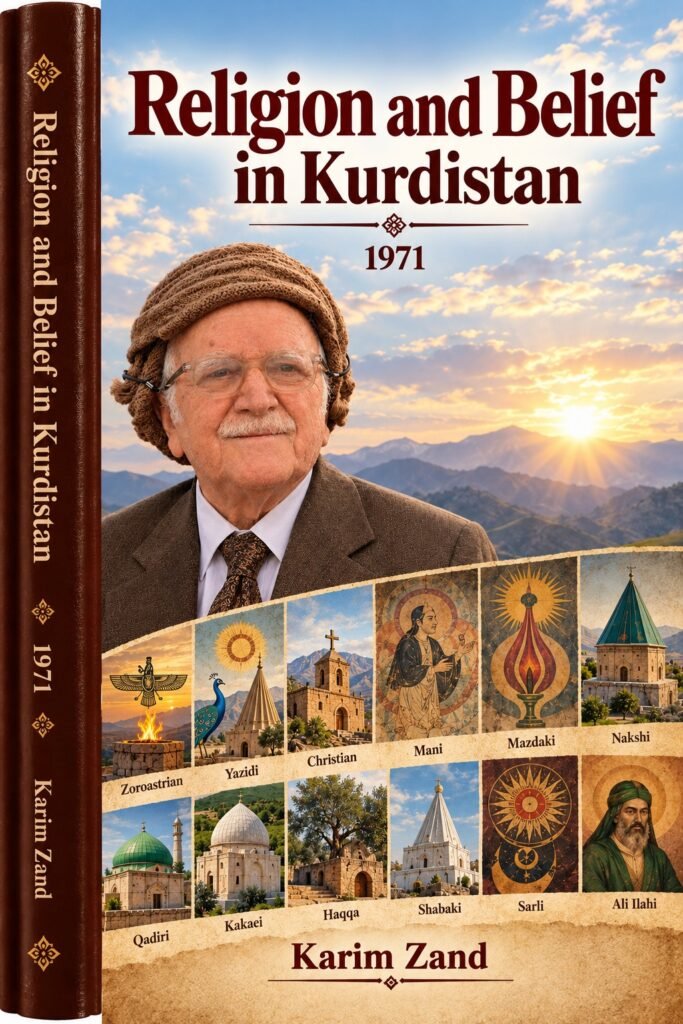
Year 1971
Religion and Belief in Kurdistan
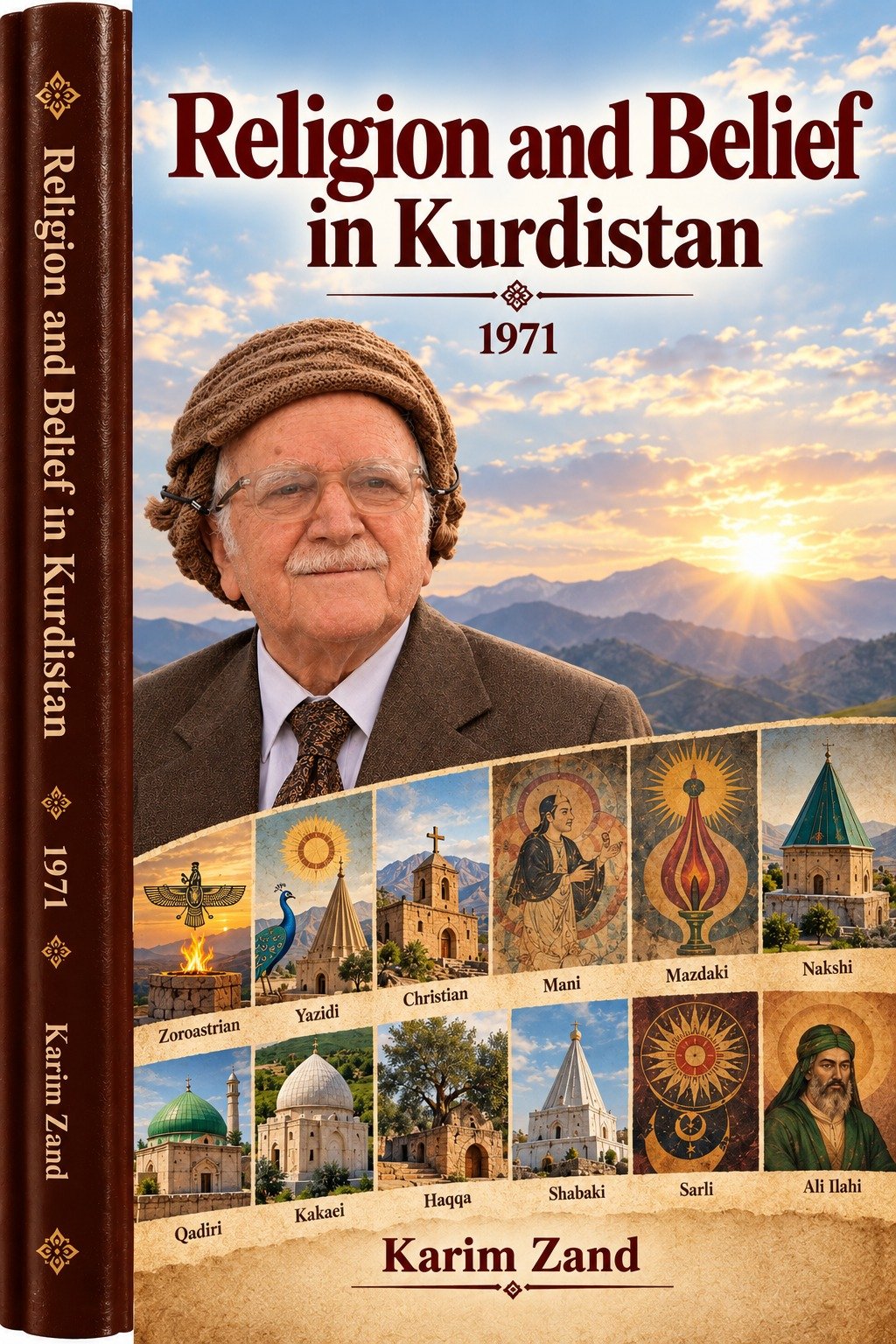
(Zoroastrian, Yazidi, Christian, Mani, Mazdaki, Nakshi, Qadiri, Kakaei, Haqqa, Shabaki, Sarli, and Ali Ilahi).
Before Zoroastrianism, there was a Zrwani religion in Kurdistan. Zrwani Karana, the endless cycle of faith in God, which is the cycle of time, is known in Islamic times as the cycle of al-Dharyun.
Zoroaster
Many scholars have acknowledged that Zoroaster was an Aryan prophet. Zoroaster is the prophet of the Medes.
The late Kurdish writers Ali Auni, Mukriani, Amin Zaki and Ihsan Nuri have shown that Zoroaster was a Kurdish prophet. He was born in 660 BC in the Atropin region near Lake Urmia.
Zoroaster was the founder of the greatest religion in history. He lived 77 years and died in 573 BC.
Zoroaster was born in the village of Daarbin, north of Mount Maqlub, on Wednesday, April. His father’s name was Beursh, son of Fido, son of Andian. His father was a nomadic Mukriani tribe. He became natural at the age of forty.
His advice included respect for fire, light, sun, oaths, and the months of May, April, and March.
His words: “The world is made of two opposites: light and darkness.” Army of Light and Army of Darkness.
- The principles of Zoroastrianism are:
- Good thoughts,
- good words and
- acceptable actions.
Note: It was early 1946. I was transferred from Karachetan to teach in Ababayli schools. In Halebcha, I met Mama Reza, the president of Haqqa. At that time, the Mahabad Society was on this side. A friendship developed on that occasion. As time passed, in Mahabad, Peshawar Qazi Mohammad asked me for a report on the truth. After the fall of the revolution in Mahabad, I was in refuge with the headquarters of Krichna and Homer Oghan. I stayed there for a year, then for a while in Surdash, Shler, Kalka Smaq, Shadala, and Sargalo.
I traveled throughout the Middle East, Africa, most of Europe, and all over Kurdistan. That encouraged me to gather this information. However, the lack of encouragement and help is the cause of these products.
OH, Kurdish brother, in the hope of public service and for the sake of the temporary and permanent purpose of the people and changing self-approval, self-seeing, forgiveness, and sacrifice.